Featured
Table of Contents
Paid and natural channels are most efficient when utilized in show: Promote top-performing natural posts to scale reach. Use paid search to target high-value keywords that are tough to rank for organically.
Rather than treat them as silos, treat them as signalspaid provides speed, natural builds trust., run experiments, handle possessions, and guarantee your media spend equates into significant growth.
With increasing noise, shortened attention spans, and more critical purchasers, paid channels provide a way to reach, convert, and find out much faster. In 2025, winning groups will treat paid media not as a spending plan line product, however as a strategic function embedded across performance, innovative, and product marketing.
First, identify the core audience for your PSA. If your campaign has to do with promoting healthy consuming practices in children, your target audience might include moms and dads and schools. For campaigns such as advocating for routine health screenings in older grownups, you would target demographics based on age, place, and possibly even medical history.

Digital platforms like Google Advertisements and Facebook offer granular targeting choices based on interests, habits, search history, and more. Traditional media, while less precise, still uses targeting through the choice of particular programs, times, and geographical areas. For a PSA project on smoking cigarettes cessation, you might use social media targeting to focus on individuals interested in health and health-related topics or those who have engaged with smoking cessation resources in the past.
Developing a Data-Driven Paid Media Strategy
Your project's messaging must likewise be customized to resonate with the target market. A PSA about the value of vaccination, for example, might have various angles: one for healthcare specialists, emphasizing their function in public health, and another for moms and dads, concentrating on child security. Finally, continuously examine the information from your projects to refine your targeting methods.
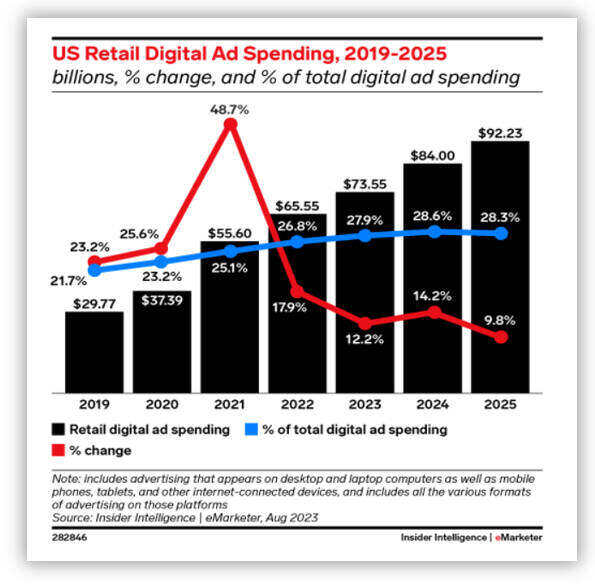
By constantly optimizing your audience targeting, your PSA projects will become more reliable with time, ensuring that your message not only reaches the right ears but likewise prompts the wanted action. Creating effective paid media campaigns includes a strategic blend of audience insight, engaging material, and the smart positioning of advertisements.
Use place-based media to deliver contextually appropriate messages in environments where they will resonate most. Whether digital signboards in high-traffic locations or screens in doctors' workplaces for health-related PSAs, the environment can enhance the message's significance and urgency.: Comprehending your audience is the initial step in designing an effective campaign.
This knowledge is particularly essential when deploying place-based media, as the message must be relevant to the audience in that specific location. This is especially true for place-based media, where you have a minimal time to engage viewers.
How Refining SEM Campaigns to Ensure Greater ROI
For place-based media, select locations that are often visited by your target group and think about times of day when foot traffic is greatest to take full advantage of exposure. Design visuals that are not just captivating however likewise appropriate for the context of the positioning. For digital screens in public locations, utilize bright, clear imagery and minimal text to communicate your message rapidly.
Make sure that your place-based media is customized for the environment where it's displayed. Conduct evaluates to see which versions of your place-based ads carry out finest.
Utilize the data to make fast modifications to enhance engagement. Quantify the success of your campaigns by setting KPIs that are matched to place-based media, such as foot traffic counts, QR code scans, or direct engagement with the ad. Similar to any campaign, but especially with PSAs, support high ethical requirements.
After the campaign concludes, look for feedback and procedure long-lasting effect through follow-ups. This can be especially informative for place-based media, as direct interaction with the audience can supply immediate and actionable insights. Incorporating these best practices into your paid media strategy, particularly with the tactical use of place-based media, can significantly amplify the effectiveness of your projects.
Using AI for Better Ad Bidding Tactics
Marketers understand that you can't rely on a single strategy to reach your audience, especially online. The web is a significantly stratified location, with potential clients spread throughout channels and providing their limited time and attention to just the very best and most appropriate material. Brands require to have a variety of techniques to cut through the sound, develop brand name awareness, and convert the ideal customer.
In this post, we'll review 5 paid media strategy suggestions, emerging patterns, and examples to help you serve the best content and get an edge on the competitors. As a quick refresher, paid media describes any marketing or advertising material that an organization pays for. That remains in contrast to owned media, which describes the channels your company owns and releases content on, and earned media, which refers to discusses of your organization that are produced or shared by third-parties, like customers or news outlets.
PPC and Social Media: Finding the Strategic MixMany online marketers have used some kind of paid media to bring in or keep customers, like the copying: television and radio commercial Traditional print ads Pay-per-click (PPC) ads Show advertisements Social media advertisements Online search engine Marketing (SEM) or paid search advertisements Sponsored content Influencer marketing projects Co-marketing campaigns Paid media has a few distinct advantages.
Leveraging AI for Better Ad Placement Strategies
You can produce and publish a Facebook advertisement that particularly targets your high-intent potential customers and perfect consumers in minutes and rapidly uncover tons of valuable insights. Similar to owned media, paid media uses control of innovative instructions and messaging, whether it's a paid blog site post or developer collaboration. It's likewise a source of passive lead generation, meaning your post is always on and working for your brand name up until you pivot to the next campaign.
Quote rates for popular keywords like "best marketing platform" can end up being costly rapidly. Another aspect is that consumers don't trust paid marketing nearly as much as family and friend suggestions. However, sponsored influencer content is acquiring serious reliability. According to Matter, 61% of customers are most likely to trust recommendations from an influencer, buddy, or member of the family on social networks, while only 38% trust a brand name's recommendation.

Latest Posts
Comparing SEM and Display Media Performance
Evaluating Simple Giving Vs Long-Term CSR Models
Improving Child Healthcare Via Creative Giving